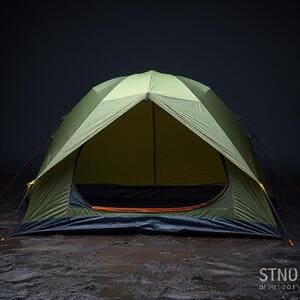
Pitch‑Proof Tent 2P
Monsoon- Waterproofing 92%
- Ventilation 74%
- Packed Weight 2.1 kg
Dual‑vent flysheet, silicone‑coated seams and a quick‑pitch pole geometry keep you dry from Konkan showers to Meghalaya downpours.

Born for India’s seasons—from Sahyadri showers to Aravalli heat. Discover shelters, packs, and cook kits engineered for real trails.
From misty Western Ghats to the stark Ladakh trails, India offers a range of terrains that challenge and inspire. Here are three trails that shaped our gear.
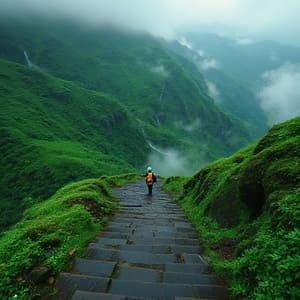
Known for lush greenery and heavy monsoon rains, these trails demand waterproof shelters and breathable fabrics. Our flysheets and tents are tested here every season.

At altitudes above 4000m, warmth and weight matter most. Our down jackets and compact cook sets are designed for minimal pack weight and maximum insulation.

Extreme heat and sandstorms require ventilated shelters and durable zippers. Our desert-ready tents keep out dust while allowing cool airflow.
Engineered for India’s monsoon, altitude and heat. Explore how our shelters, cook systems and packs balance weight, durability and weather readiness.
Dual‑vent flysheet, silicone‑coated seams and a quick‑pitch pole geometry keep you dry from Konkan showers to Meghalaya downpours.

Wide‑base pot and wind‑shielded burner maintain fast boils in thin air — perfect for Ladakh bivvies and alpine starts.
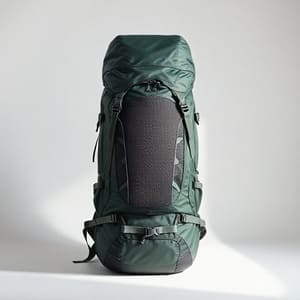
Breathable back panel and reinforced hip belt distribute load on multi‑day Sahyadri traverses and long Himalayan hauls.
Our gear is shaped by the places we test it. From steep ridge camps to damp forest bivouacs, here’s a look at the stories that guide our designs.
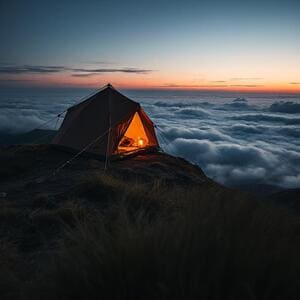
A week on a narrow ridge line along the Konkan coast tested our tent stakes in sandy soil and high overnight humidity. The result: redesigned pegs with sand anchors and improved mesh vents.

Three nights of relentless rain in subtropical forest pushed our flysheet coatings to their limit. We increased silicone thickness by 15% and added reflective guylines for night visibility.

Thin air, sub-zero nights and sudden snowfalls highlighted the need for weight-to-warmth balance. We adopted 800-fill hydrophobic down for our cold-weather sleeping bags.
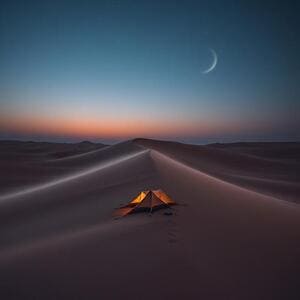
Daytime heat and night-time chill demanded versatile ventilation. We developed zip-open side panels that double as awnings, improving airflow without sacrificing dust protection.
Every gram, centimeter and liter counts on the trail. Here’s how our flagship gear measures up in real-world size and weight.

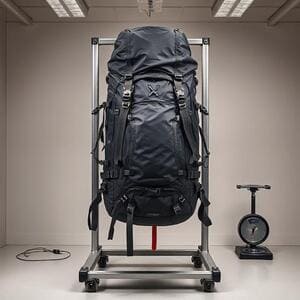

India’s seasons shape how we pack, pitch and pace. Use this calendar to match your routes with gear tuned for rain, heat and cold.

Trails are lush and slick. Expect saturated soil, leeches and white‑out showers. Prioritise waterproof flysheets, fast‑dry layers and aggressive outsole grip.
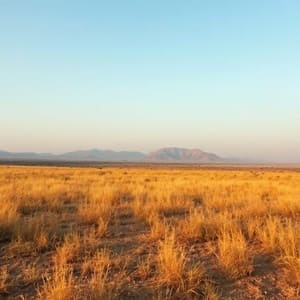
Clearer skies with residual moisture. Nights cool down, days stay warm. Balanced ventilation and light insulation shine here.

Short daylight, sub‑zero nights. Layering, down insulation and windproof shells are essential. Choose stoves that perform in cold, thin air.
Field testers, guides and weekend trekkers share what worked, what failed and what changed the way they plan routes across India’s varied terrains.

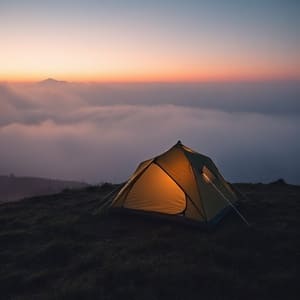
On a narrow Konkan ridge, we could only pitch during six-minute breaks between squalls. Quick-clip poles trimmed setup time by a third and kept the inner dry. Double vestibules separated cooking from soaked boots, and reflective guylines saved a foggy 3 a.m. re-tension.
Takeaway: have a rain-first setup order; pack the flysheet last for immediate access when skies turn.

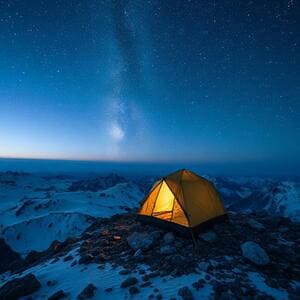
At 4,300 m, sleep is currency. We cut pack weight with an ultralight cook set and downsized the pot for two. Boils stayed quick behind a rock shield; fuel use dropped ~18%. The smaller pot nested the burner and lighter, reducing rummage in cold wind.
Tip: pre-measure fuel per night and carry a wind shield; it pays back on long hauls.


Mesh pockets on the fly became our drip-dry corners. By morning, socks were nearly dry thanks to cross-breeze vents. We now keep one pocket dedicated to wet layers and move it leeward when winds pick up.
Note: airflow beats heat — ventilate first, then add warmth with a liner or midlayer.

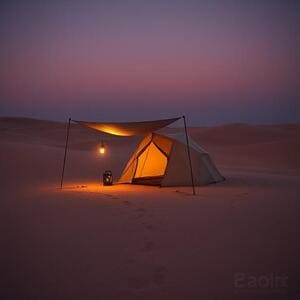
In the Thar dunes, awning-zips did double duty: shade by day, dust baffles by night. After a gritty week the zippers still ran clean — a first for our team. Guylines pitched lower cut ground-level gusts and kept sand from cycling inside.
Practice: brush zippers nightly and stash stakes in a separate pouch to avoid abrasion on fabric.
A fast, rain-first setup routine that keeps the inner dry and the team moving. Practice the sequence until it becomes muscle memory when squalls roll in.
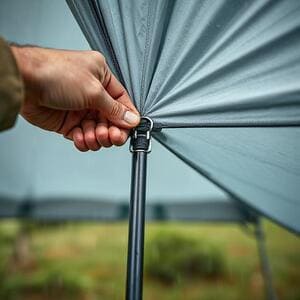
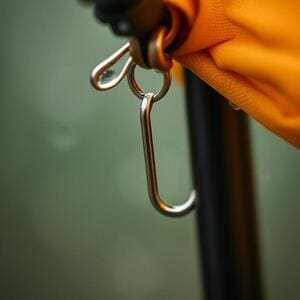
Lay the fly on windward side, stake two corners, then clip to poles while the inner waits in the pack. This keeps downpour off sleeping gear and gives a dry envelope to work under.
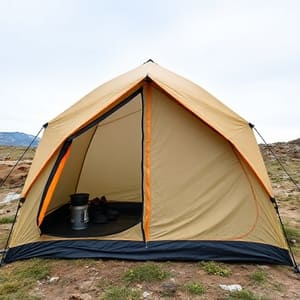
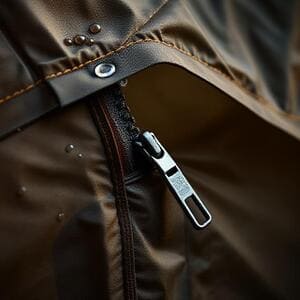
Left vestibule for cooking, right for wet boots and packs. Keeping jobs separate reduces condensation spikes and midnight clutter under the fly.


In sand or slush, bury the stake horizontally and wrap the guyline twice. Pack snow or sand over the top. Re-tension after a minute as grains settle.


Wrap a low screen three-quarters around the burner; leave a leeward gap for airflow. Keep canisters warm in a pocket before cooking at altitude.
Know the signals and simple protocols that keep groups together when visibility drops or conditions flip. Practice them before you need them.
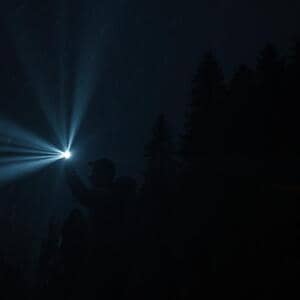
Three rapid headlamp flashes, repeat every 10 seconds. Nearest pair raises a reflective tarp for visibility. Group regathers windward of tree line.
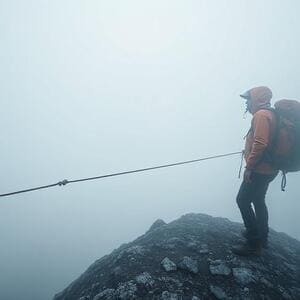
Two long whistle blasts every 15 seconds. Connect by line on ridges; move at half-pace. Navigator tracks bearing; tail calls distance.
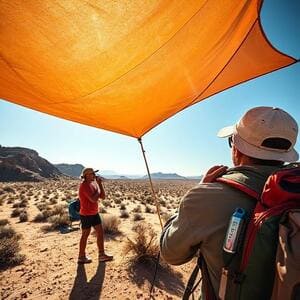
Schedule: 40-min walk / 20-min shade. Electrolytes every hour. Tarps pitched low to ground, backs to sun; cover zips with cloth to prevent burn.
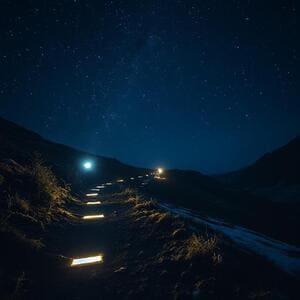
Place reflective tabs every 30 m on approach; navigator calls steps between tabs. If lost: stop, lights low, whistle 1× short every 20 s.
Whether you're planning a monsoon trek, outfitting a desert bivouac, or just want to say hello — we’re here. Leave us a note and we’ll get back with care and clarity.